
Many people discover old coins tucked away in drawers, inherited collections, or spare change jars and wonder: could any of these be valuable? Coin collecting, also known as numismatics, combines history, art, and investment potential. While most coins are worth only their face value, some can be worth hundreds, thousands, or even millions of dollars.
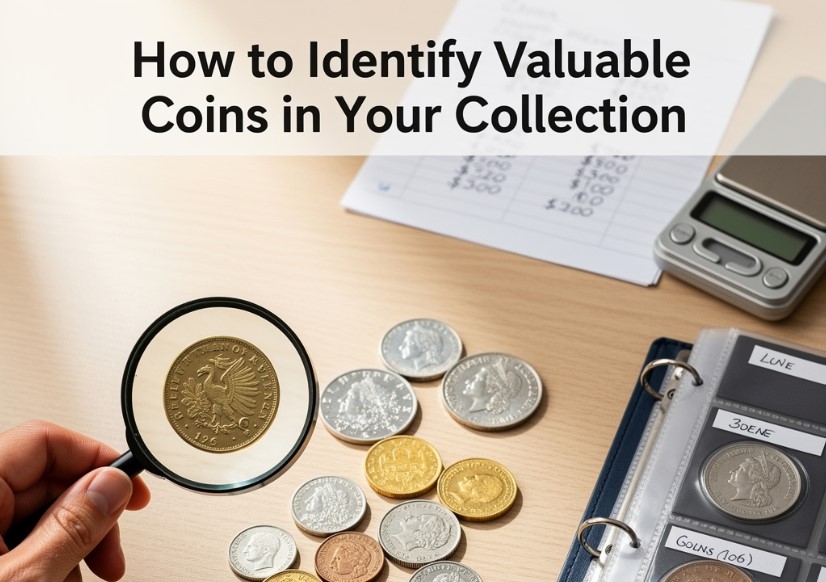
Learning how to identify valuable coins in your collection does not require expert-level knowledge at the beginning. With careful observation, basic research, and an understanding of what drives coin value, you can quickly separate common coins from potentially rare and desirable pieces.
This comprehensive guide will walk you through the key factors that determine coin value, practical inspection tips, grading basics, and common mistakes to avoid. Whether you are a beginner or an experienced collector, these insights will help you make informed decisions about your coins.
Understanding What Makes a Coin Valuable
Before examining your collection, it is essential to understand the factors that influence coin values. A coin’s worth is determined by a combination of characteristics rather than a single feature.
1. Rarity
Rarity is one of the most important factors in determining a coin’s value. Coins with low mintage numbers or limited surviving examples are typically more valuable. Even modern coins can become rare if they were produced in small quantities or quickly withdrawn from circulation.
For example, certain early 20th-century coins with low mintages are highly sought after because fewer examples remain in collectible condition.
2. Condition (Coin Grade)
The condition of a coin, known as its grade, plays a major role in value. Two identical coins from the same year and mint can have vastly different prices depending on wear and preservation.
Coins are typically graded on a scale ranging from Poor (heavily worn) to Mint State (no visible wear). Higher-grade coins command significantly higher prices.
3. Historical Significance
Coins connected to important historical events, short-lived designs, or transitional periods often attract collectors. Commemorative coins or those minted during wartime can also carry added value.
4. Metal Content
Some coins are valuable simply because of their precious metal content. Gold and silver coins, even if common, may be worth more than face value due to bullion prices. For example:
- Pre-1965 U.S. silver coins contain 90% silver.
- Gold coins are often worth at least their melt value.
5. Mint Errors
Minting mistakes can significantly increase a coin’s value. Error coins are collectible because they are unusual and often rare.
Examples include:
- Double strikes
- Off-center strikes
- Wrong planchet errors
- Double dies
Step-by-Step Guide to Identifying Valuable Coins
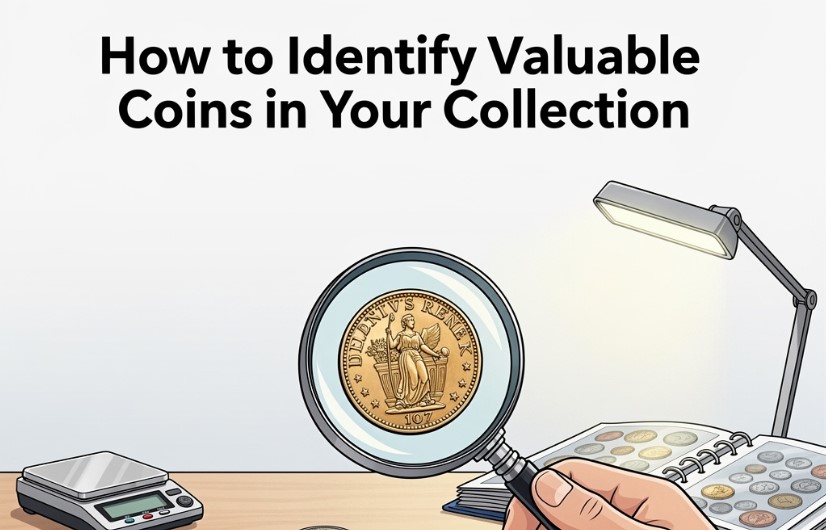
Step 1: Sort and Organize Your Collection
Begin by organizing your coins by country, denomination, and year. This makes it easier to identify patterns and spot unusual pieces. Use soft surfaces and handle coins by their edges to avoid damage.
Step 2: Check the Date and Mint Mark
The date is often the first indicator of potential value. Older coins generally have higher chances of being valuable, but age alone does not guarantee rarity.
Look for a mint mark, a small letter indicating where the coin was produced. Certain mint locations produced fewer coins in specific years, making them more desirable.
For example, some years from particular mints are known “key dates” that collectors actively seek.
Step 3: Examine the Condition Carefully
Use good lighting and, if possible, a magnifying glass. Check for:
- Sharp details in the design
- Minimal scratches or damage
- Original luster on uncirculated coins
- Absence of cleaning marks
Avoid cleaning your coins. Cleaning can drastically reduce a coin’s value, even if it appears to improve its look.
Step 4: Look for Errors or Unique Features
Inspect coins for unusual characteristics such as doubled letters, missing elements, or off-center designs. Compare your coin with verified images from reputable coin reference websites or catalogs.
Step 5: Research Using Trusted Sources
Consult reliable coin price guides, auction results, and numismatic catalogs. These resources provide up-to-date information on coin values and help you determine whether your coin is common or scarce.
Be cautious when using online marketplaces alone for pricing, as asking prices do not always reflect actual sale values.
Understanding Coin Grading Basics
Professional grading services evaluate coins based on a standardized scale. While you can estimate condition yourself, certification from a reputable grading company can increase buyer confidence and potentially boost value.
| Grade | Description |
| Poor (P-1) | Heavily worn, barely identifiable |
| Good (G-4) | Major details visible but worn |
| Fine (F-12) | Moderate wear, clear design |
| Extremely Fine (EF-40) | Light wear on high points |
| Mint State (MS-60 to MS-70) | No circulation wear |
If you believe you have a rare coin in high grade, professional grading may be a worthwhile investment.
Common Types of Valuable Coins
Key Date Coins
These are coins with low production numbers for a specific year and mint. Collectors often seek them to complete sets.
Gold and Silver Coins
Precious metal coins retain intrinsic value based on market prices, making them popular with investors.
Proof Coins
Proof coins are specially struck for collectors and typically feature sharp details and mirror-like finishes.
Error Coins
Coins with striking mistakes can be highly valuable depending on the rarity and visibility of the error.
Practical Tips for Beginners
- Start with a magnifier: A 5x to 10x magnifying glass is ideal for close inspection.
- Invest in a current price guide: Updated information helps you track coin values accurately.
- Store coins properly: Use coin holders or albums to prevent damage.
- Handle with care: Always hold coins by the edges.
- Join coin communities: Forums and local coin clubs offer valuable insights.
When to Consult a Professional
If you suspect you own a rare or high-value coin, consider consulting a professional numismatist or reputable coin dealer. Look for dealers affiliated with recognized organizations in your country.
A professional appraisal can:
- Confirm authenticity
- Provide accurate grading
- Offer realistic market value estimates
Red Flags to Watch Out For
- Coins that appear too perfect for their age
- Unverified online claims about extreme rarity
- Pressure to sell quickly
- Offers far below market value
Counterfeit coins exist, especially for high-value pieces. Always verify authenticity before buying or selling expensive coins.
How Coin Collecting Can Become an Investment
Many collectors eventually explore coins as a form of investment. Rare coins often maintain value due to limited supply and steady demand. However, like any investment, the coin market fluctuates.
Long-term success depends on:
- Buying quality over quantity
- Focusing on historically strong categories
- Understanding market trends
- Maintaining proper storage and documentation
Patience and research are key. Building knowledge over time improves your ability to identify undervalued coins.
Conclusion
Identifying valuable coins in your collection is both exciting and rewarding. By understanding the core factors of rarity, condition, historical significance, metal content, and mint errors, you can quickly assess which coins deserve closer attention.
Careful inspection, proper research, and professional guidance when necessary will help you avoid costly mistakes. Whether you collect for passion, history, or investment, developing your knowledge of coin values strengthens your confidence and decision-making.
Start by organizing your collection today. You may be surprised to discover that a small detail—an unusual mint mark, a rare date, or an overlooked error—transforms an ordinary coin into a prized treasure.
Frequently Asked Questions (FAQ)
1. How can I tell if my old coin is rare?
Check the coin’s date, mint mark, and mintage numbers using a reliable coin reference guide. Compare it to known key dates and low-mintage issues. Rarity often depends on how many examples remain in collectible condition.
2. Does cleaning a coin increase its value?
No. Cleaning a coin can significantly reduce its value. Collectors prefer original surfaces, even if the coin appears toned or slightly dirty.
3. Are all silver coins valuable?
Not all silver coins are rare, but they usually hold value due to their silver content. Their worth depends on both metal prices and collector demand.
4. Should I get my coin professionally graded?
If your coin appears rare or in high condition, professional grading can authenticate it and potentially increase its market value. For common coins, grading may not be cost-effective.
5. Where can I sell valuable coins?
You can sell coins through reputable coin dealers, auction houses, or specialized online marketplaces. Always compare offers and verify buyer credibility before completing a sale.